
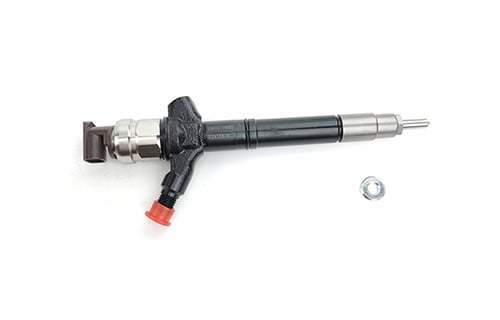
A rail injector can pass an electrical check and still deliver the wrong quantity. What a bench test measures, and where cleaning stops being enough.
A common rail injector can pass a resistance check and still deliver the wrong fuel quantity. Electrical values say the solenoid or piezo stack is intact; they say nothing about what the nozzle does with the fuel.
What a bench test measures
A test bench pressurises the injector to the rail pressures the engine actually uses and measures what the injector returns and what it delivers.
- Return flow at idle and at full load.
- Opening delay and injection duration.
- Spray pattern and nozzle seat condition.
Cleaning, and where it stops
Ultrasonic cleaning removes varnish and carbon from the nozzle and the control valve, and it often restores an injector that was sticking after a long idle period. It does not restore a worn seat or a scored plunger. Clean first, then measure; replace the injector when the measured values stay outside tolerance after cleaning.
Keeping the result
Record the test values with the injector number so the next service has a baseline. A return flow that has moved noticeably since the last test is the earliest warning that the injector is on its way out, well before the driver notices a misfire.