
Fixed-speed generator engines answer load steps through their injection system. Here is what the pump, rail and control valve have to do, and what to check before replacing one.
A generating set holds 1500 or 1800 rpm and has to keep frequency steady when a load switches on. How cleanly that step is answered depends on the fuel system rather than on the alternator.
Answering a load step
With engine speed held by the governor, the injection system must add fuel quickly without overshooting. A rail engine answers a load step with a short main injection plus a post injection, which keeps smoke down while the turbo catches up. Older sets with a mechanical pump rely on the governor alone, and the frequency dip is visible on the panel.
Pump, rail and control valve
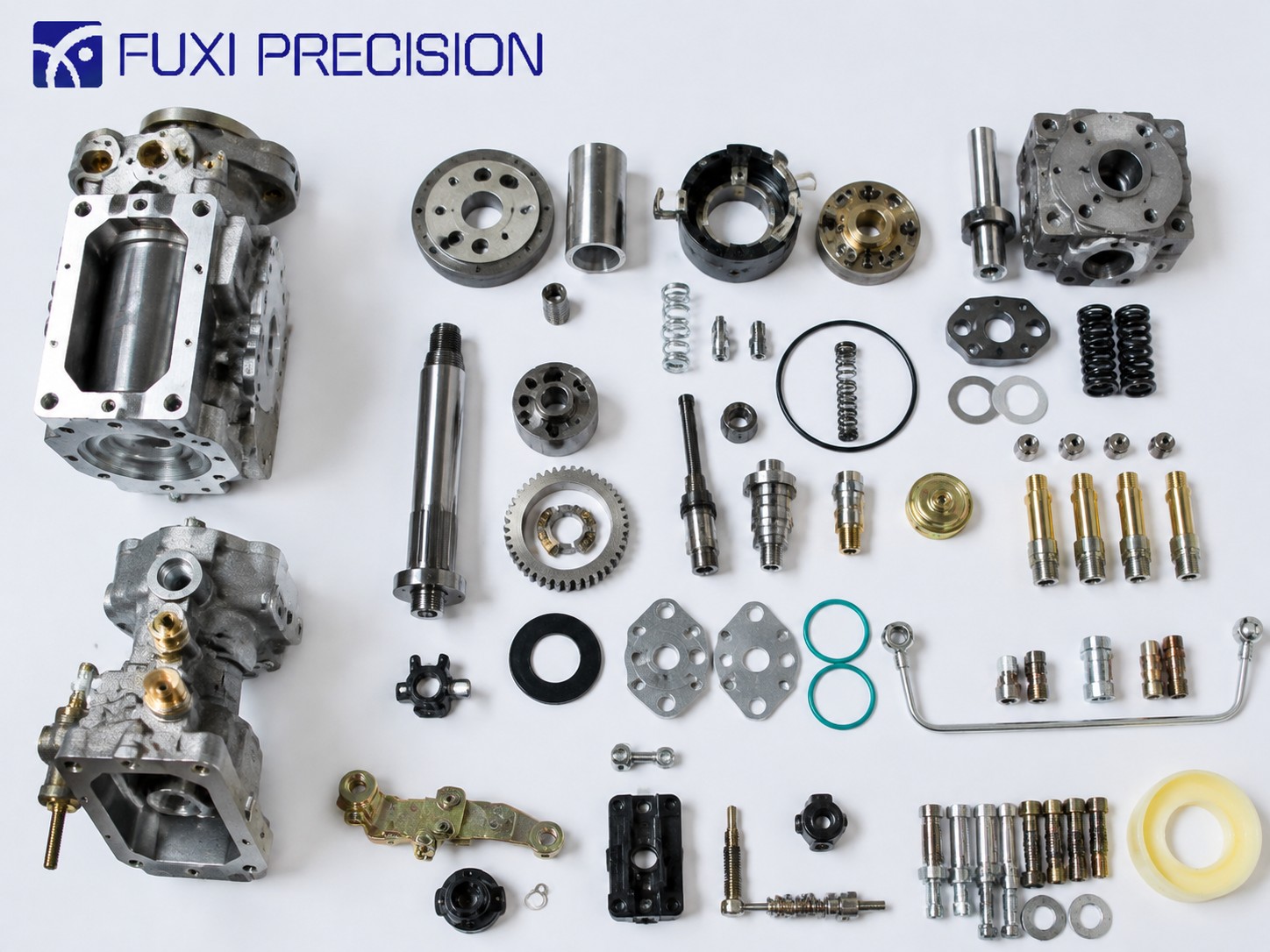
Depending on the engine family, a set may run a Bosch CP3-type or a Denso HP3-type high-pressure pump feeding a common rail. The rail pressure sensor reports to the engine controller, and the pressure control valve on the pump meters the fuel that stays in the rail. When the valve sticks, the engine either hunts at idle or derates under load; a sensor that drifts produces the opposite symptom, low power with no smoke.
Before ordering a replacement
Record the pump number, the injector number and the engine serial before contacting a supplier. Generator engines are often built in several fuel-system variants of the same model, and a pump from the wrong variant will fit mechanically but will not meet the emission calibration of the set.